Roman Abramovich’s tenure at Chelsea Football Club is one of the most remarkable success stories in modern football. When he acquired the club in 2003, Abramovich brought a fresh perspective to the sport: a combination of business acumen and a willingness to spend what was necessary to win. This approach turned Chelsea into a powerhouse almost overnight.
Under Abramovich’s ownership, Chelsea transformed from a mid-table Premier League team into one of the most successful clubs in Europe. His financial investments in players and facilities were unparalleled. Chelsea’s trophy cabinet, previously gathering dust, suddenly overflowed with silverware. The club won five Premier League titles, five FA Cups, three League Cups, and two UEFA Champions League trophies during his reign. It’s no exaggeration to say that Abramovich’s influence on Chelsea was transformative, not just for the club but for English football as a whole.
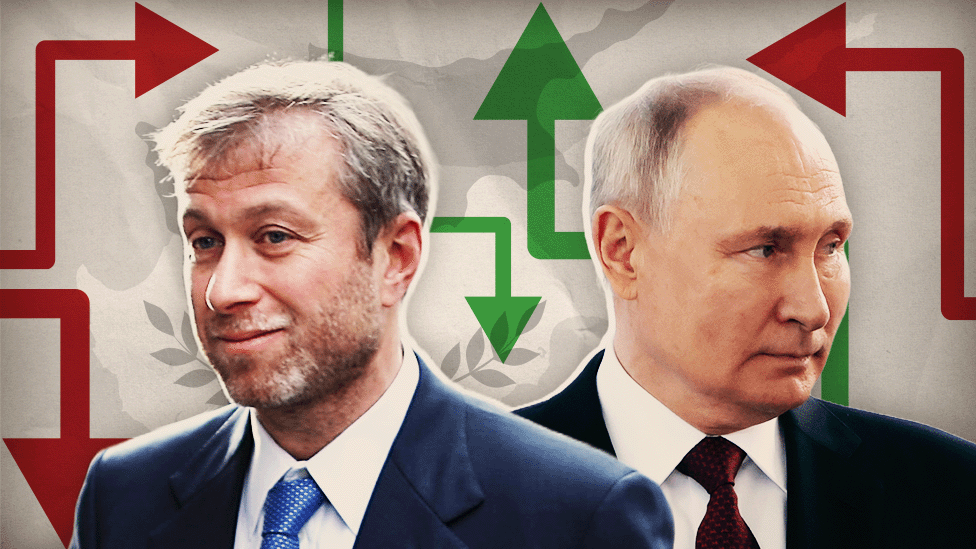
Abramovich’s success with Chelsea didn’t just come from opening his wallet, although that certainly helped. He also displayed a knack for hiring the right managers and supporting them with the resources needed to succeed. His choices, like José Mourinho, Carlo Ancelotti, and Antonio Conte, became iconic in Chelsea’s history. He even made bold moves like sacking a successful manager to achieve greater success, a testament to his relentless pursuit of excellence.
However, Abramovich’s close relationship with Russian President Vladimir Putin has always been a topic of interest. As one of Russia’s most influential oligarchs, Abramovich maintained strong ties with the Kremlin. His position as Governor of Chukotka, a remote Russian region, illustrated his strategic connections to Putin’s inner circle. It wasn’t just about business; it was about being in a small and exclusive club where having friends in high places was crucial for survival.
Putin’s circle of trust is notoriously tight, with loyalty valued above all else. Abramovich, known for his discretion and support of the Kremlin’s policies, was among the privileged few. These relationships benefited his business interests, allowing him to navigate the complexities of Russian politics while expanding his wealth. It wasn’t just about staying in Putin’s good graces; it was about ensuring his position as an oligarch was secure.
When Russia invaded Ukraine in 2022, these connections to Putin became a significant liability for Abramovich. Western sanctions targeted Russian oligarchs, and Abramovich was among those affected. His assets were frozen, and he faced travel restrictions, leading to the sale of Chelsea Football Club. The sale marked the end of an era, and Abramovich’s pledge to donate the proceeds to aid Ukraine’s war victims was seen as an attempt to distance himself from the Kremlin.
Abramovich’s journey with Chelsea and his ties to Putin reflect the duality of his life. On one hand, he achieved tremendous success with Chelsea, turning the club into a football juggernaut. On the other hand, his connections to Putin’s small circle became a liability, impacting his freedom and business operations. It’s a complex story of ambition, loyalty, and the changing landscape of geopolitics. While Abramovich’s future remains uncertain, his impact on Chelsea and his connection to Russia’s inner circle will continue to be subjects of fascination.

 Ignorantly Ignorant