Once upon a time, in the early 2000s, the world of fast food was rocked by a man with a mission and an iron stomach. Enter Spurlock Morgan, a documentary filmmaker with a flair for the dramatic and a stomach for… well, pretty much anything. His rise to fame began with a film that would forever change the way we think about the golden arches and their ubiquitous, calorie-laden offerings.
In 2004, Spurlock introduced us to “Supersize Me,” a documentary that chronicled his 30-day odyssey of eating nothing but McDonald’s. It was a month-long extravaganza of Big Macs, fries, and fizzy sodas, all supersized, of course. Spurlock’s idea was simple yet daring: eat McDonald’s three times a day and see what happens. Spoiler alert: it wasn’t pretty. His weight ballooned, his cholesterol skyrocketed, and his liver… well, let’s just say it probably started drafting a resignation letter.
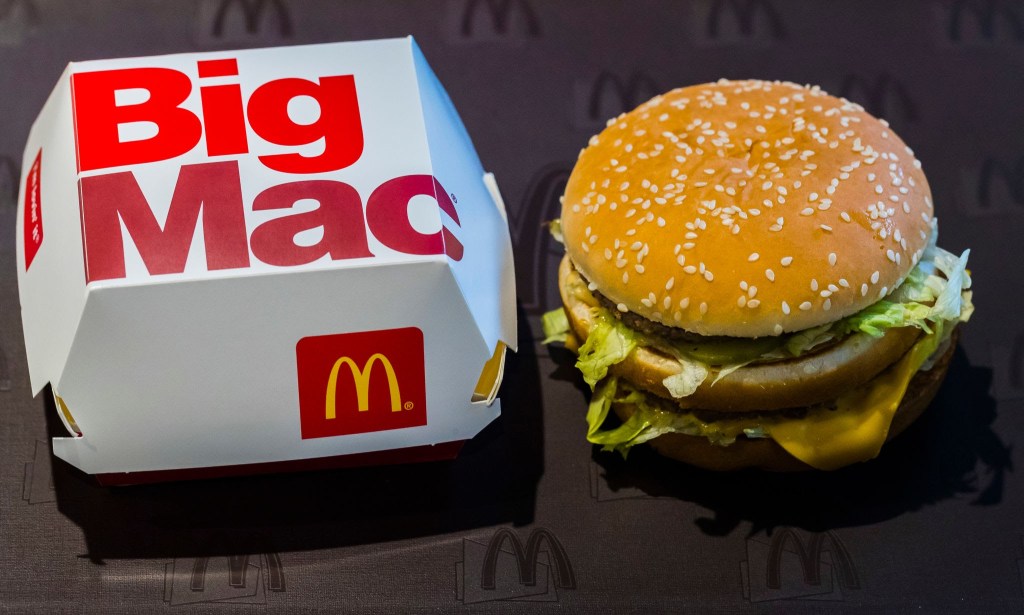
The film’s impact was as outsized as his meals. “Supersize Me” didn’t just gross millions at the box office; it earned more than $20 million worldwide, catapulting Spurlock into the realm of high-earning non-fiction filmmakers. The documentary led to significant changes in the fast-food industry. McDonald’s, perhaps fearing a future where their mascot would be a cautionary tale rather than a clown, phased out their supersize option and started offering healthier alternatives. Salads, apple slices, and even milk were suddenly thrust into the spotlight, much to the chagrin of burger enthusiasts everywhere.
Buoyed by his newfound fame, Spurlock didn’t stop there. Over the next 13 years, he produced nearly 70 documentary films and TV series through his production company, Warrior Poets. True to form, Spurlock’s projects often delved into controversial and provocative topics, from exploring the world’s most dangerous places in “30 Days” to dissecting corporate America in “The Greatest Movie Ever Sold,” a film financed entirely by product placements. His knack for turning the mundane into the magnificent was unparalleled.
In a move that seemed equal parts genius and ironic, Spurlock eventually opened his own fast-food restaurant, Holy Chicken! It was a place where transparency was on the menu, quite literally. The restaurant boasted free-range chickens, locally sourced ingredients, and a commitment to honesty that was as refreshing as it was unexpected. Customers could enjoy their meals knowing exactly where their food came from, how it was prepared, and just how many calories they were consuming – a far cry from the mystery meat days of yore. “We are ultimately going to be the first honest fast food restaurant,” he told Today. “We are going to set the record straight.”
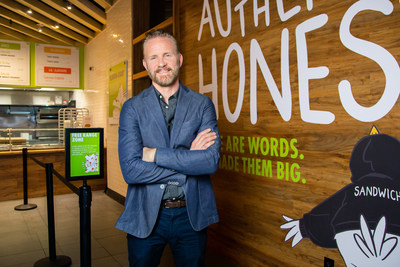
Spurlock’s final project was a sequel to his groundbreaking documentary. “Super Size Me 2: Holy Chicken!” examined how the fast food industry had rebranded itself as healthier in the years since the original film. The sequel wasn’t just a rehash of old material; it was a pointed critique of the ways in which fast-food chains used marketing and regulatory loopholes to present a facade of healthiness. In conjunction with the film’s release, Spurlock launched Holy Chicken!, positioning it as a more “humane” fast-food option. The menu was designed to highlight certain regulations he claimed fast-food chains sidestepped, making it a culinary manifesto against the industry’s smoke and mirrors.
However, Spurlock’s career wasn’t all laughter and happy meals. In 2017, he came forward with a confession that rocked his fan base and the industry. Spurlock admitted to past instances of sexual misconduct, detailing an incident from his college days and another involving a former employee. His candor was shocking and sobering, a far cry from the playful provocateur the public had come to know.
The fallout was immediate. Spurlock stepped down from Warrior Poets, and his projects were halted. It was a stark reminder that even those who challenge norms and fight for transparency are not immune to the consequences of their actions. His admission and the subsequent backlash were a testament to the growing accountability movement within the entertainment industry.
In the later years of his life, Spurlock faced another formidable adversary: cancer. He battled the disease with the same tenacity that had characterized his career, but this was one fight he couldn’t win. Spurlock passed away, leaving behind a legacy that was as complex as it was impactful.
Spurlock Morgan was a man of contradictions: a provocateur with a cause, a documentarian with a penchant for the absurd, and an entrepreneur who believed in transparency. His work with “Supersize Me” forced a billion-dollar industry to take a hard look at itself, while his later ventures continued to challenge the status quo.
Despite the controversies that marred his career, Spurlock’s contributions to both film and food are undeniable. He made us laugh, made us think, and maybe even made us a little bit healthier. In the end, Spurlock Morgan’s story is a reminder that even the most unlikely heroes can leave a lasting mark on the world.
And so, as we bid farewell to a man, whose crimes no one can defend, who once supersized himself for the sake of enlightenment. We can only hope that the positive aspects of his legacy live on, as we marvel at his questioning of the norm and the striving for betterment continues to inspire future generations – just with a little less sodium and a lot more heart.

 Ignorantly Ignorant